

P is for Perfectionism and Letting Go
P is for Perfectionism and Letting Go
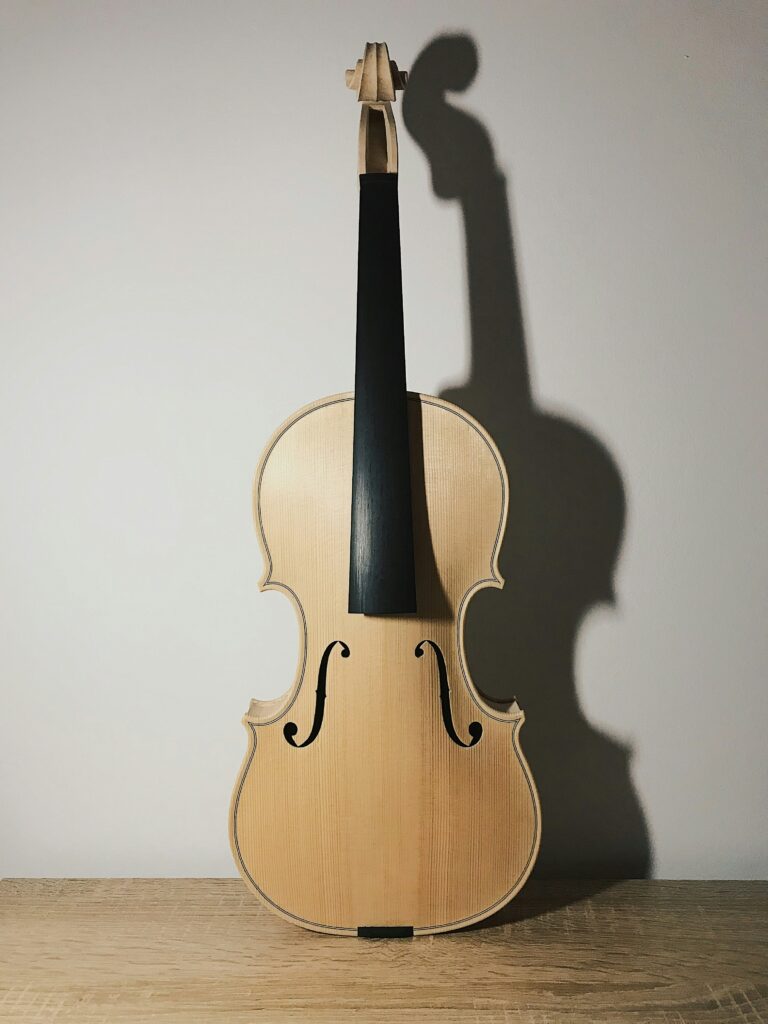
Perfectionism can both help and hinder in many areas of our lives. On one hand, striving to do things the best we can, helps us achieve our goals builds our self esteem. But when we strive to be absolutely perfect, and give ourselves no grace for even the slightest mess up, is when we start to get into trouble. This level of perfectionism can cause anxiety, stress, and other mental health issues. It can also lead to even worse performance due to putting too much pressure on yourself, leading an incredibly stressful cycle.
How to we let go of perfectionism?
In order to let go of perfectionism and improve yourself in a more healthy way, it is important to look at why being “perfect” is so important to you in the first place. Many of us grew up feeling the need to be perfect, whether it came from our parents, siblings, or school teachers. Perfectionism can come in many shapes, but learning what triggers you to feel like you aren’t good enough is the best place to start to let go.
Once you know why you need to be perfect, you can begin to work on ways to help you let go. Perfectionism is often rooted in fear. Working on ways to help set you up for success can be a great way to shed whatever worries you may have. Rather than being hard on yourself if you don’t succeed, know that you are learning and getting closer to getting it right. Or maybe you just need to adjust your standards. Oftentimes work we do is already good enough, but we are too hard on ourselves instead.
The most important thing we can do to let go of perfectionism is to break the cycles of overthinking. If we begin to build our self esteem and stop negative self talk, we can begin to believe we are good enough. But, if you are still struggling, it may be time to seek out a therapist. While therapy can be scary, it can really help you to figure out the root causes of perfectionism and work towards a more balanced outlook on life.
Related Posts

T is For Teaching Kids About Money: Saving and Spending Wisely
Building Habits That Last a Lifetime The Lesson: Saving & Spending Wisely Once kids begin earning money, …

F is for Fractional Ownership
F is for Fractional Ownership You’ve probably heard of crypto exchanges. But lately, fractional ownership is stealing the …

T is for Teaching Kids About Money: Cash Flow and Budgeting
Building Habits That Last a Lifetime If there is one thing most people wish they had learned sooner …

J is for Joint Accounts: Are You Ready to Take the Leap?
Are you ready to take the leap of joining finances with your partner? For many, a joint account …

I is for Impulse Buys and How It Affects Your Financial Future
Impulse spending could be silently wrecking your finances without you even realizing it. Every dollar spent outside of …

E is for Exit Strategy
E is for Exit Strategy: When Does It Make Sense to Sell Assets? Selling an asset can …

H is for Healthcare Power of Attorney
Choosing a Health Care Power of Attorney is one of the most important decisions you can make right …

G is for Gratitude – Can Being Thankful Help Your Finances?
Gratitude is a powerful tool to help you to create a happy and fulfilling life. Being thankful for …

F is for Friendship During Your Divorce
Divorce is stressful time in your life, but having a strong support system can help keep you on …
